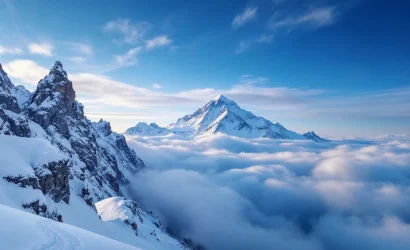

Upper Mustang sits north of the Annapurna range in one of Nepal’s driest mountain landscapes. The closer you get to the Tibetan border, the more the scenery and architecture begin to resemble the high plateau: bare slopes, wind-cut cliffs, mud-brick settlements, monasteries, and old walls. At the center of the region is Lo Manthang, the former capital of the Kingdom of Lo, where historic buildings still form part of an inhabited town.
This 20-day route begins with the flight into Jomsom, follows the Kali Gandaki through Kagbeni and the traditional villages of Upper Mustang, reaches Lo Manthang, and then returns by a quieter southern route through Yara, Luri Gompa, Tange, and Tetang before finishing at Muktinath and Jomsom.
Upper Mustang is a restricted area. Foreign trekkers need the relevant permits and a licensed guide, and the trek must be arranged through a registered agency. The rules changed substantially in 2026: the restricted-area charge is now USD 50 per person per day, while the former two-trekker minimum was removed. A solo traveler can therefore obtain a permit, but cannot trek the restricted area without a guide.
One altitude point is worth clarifying. Some generic Mustang itineraries quote a low point around 1,750 meters, but that does not fit this route. Jomsom is already around 2,700–2,750 meters, making it the practical low end of this itinerary.
Trip Info
-
Hotel, Teahouses
-
Kathmandu
-
Spring, Autumn
-
5416 m
-
BLD
-
Moderate
-
English
Overview
The trek begins in Jomsom and heads north beside the Kali Gandaki toward Kagbeni, the gateway to the restricted zone. From there, the route climbs through Chaile, Gheling, Ghami, and Tsarang. Each settlement has its own monasteries, chortens, traditional houses, and surrounding rock formations, so the journey is as much about the villages as the final arrival in Lo Manthang.
After reaching the walled city, the itinerary allows two nights there. That gives enough time to see the palace and monasteries without turning the visit into a rushed checklist. It also leaves room for a short excursion toward Chhoser and its cave settlements.
The return route is deliberately different. Instead of simply retracing the main road north of Jomsom, it heads toward Yara and Luri Gompa, then crosses the more isolated Tange–Tetang section before reaching Muktinath. This makes the trek longer and more varied than a simple out-and-back to Lo Manthang. Using flights between Pokhara and Jomsom saves several days compared with walking the full approach from the lower Kali Gandaki. It also means that weather around Jomsom needs to be treated as part of the itinerary rather than an afterthought
Highlights of the Trek
- • Luri Gompa, a cave monastery built into a cliff and associated with centuries-old Buddhist artwork.
- • Mustang's exposed high-desert landscape, with eroded cliffs, dry gullies, and wind-shaped rock.
- • Muktinath, a pilgrimage destination important to both Hindus and Buddhists and known for its 108 water spouts.
- • A cultural and geographic setting that feels markedly different from the busier Everest and main Annapurna routes.
- • Lo Manthang, the walled former capital of the Kingdom of Lo, including its historic palace and monasteries.